EU De Minimis Ends, GLP-1 Returns & Spot Rates Go Parabolic: The Latest Logistics News
Ocean Shippers Frontload Peak Season Cargo The traditional late-summer peak shipping season has been pulled forward to right now. Supply Chain Dive reports that importers are aggressively frontloading their cargo ahead of potential new U.S. tariffs and mounting concerns over rising bunker fuel prices. With the ongoing disruptions in the Red Sea extending transit times, shippers are eating higher storage costs domestically just to guarantee their inventory arrives before the geopolitical and regulatory landscape shifts again. Source: Supply Chain Dive
The End of Europe's De Minimis Exemption If you ship direct-to-consumer into Europe, your margin profile is about to change. Effective July 1, 2026, the end of the EU's €150 de minimis exemption will go into effect. Meaning all imported goods, regardless of value, will soon be subject to customs duties. This is a massive compliance and financial hurdle that will force brands to either invest heavily in landed-cost software or localize their fulfillment nodes within the EU to remain competitive. Source: Maersk Insights
The GLP-1 Returns Wave We already knew GLP-1 weight loss drugs were altering food consumption, but they are now wreaking havoc on apparel reverse logistics. The WSJ reports that Americans shedding weight on drugs like Ozempic and Wegovy are overwhelming retailers with nonstop clothing returns as their sizes rapidly change. It is an entirely new, medication-driven reverse logistics headache that apparel brands must now factor into their margin profiles. Source: WSJ
Amazon's Freight Expansion Spooks LTLs Amazon is continuing its march into the broader logistics market, and the legacy players are feeling the heat. MarketWatch reports that LTL (less-than-truckload) transport stocks took a noticeable pullback following the news that Amazon is aggressively expanding its freight services to third-party shippers. As Amazon turns its massive internal network into an outsourced utility, competing carriers are bracing for a prolonged pricing war. Source: MarketWatch
Tariff Refunds Equal Collections In a monumental shift for importers, the amount of tariff refunds processed by the government actually equaled the amount of new tariffs collected last month. As the CAPE portal ramps up and brands successfully claw back illegally collected duties, the massive $130 billion bottleneck is finally starting to clear. Source: WSJ
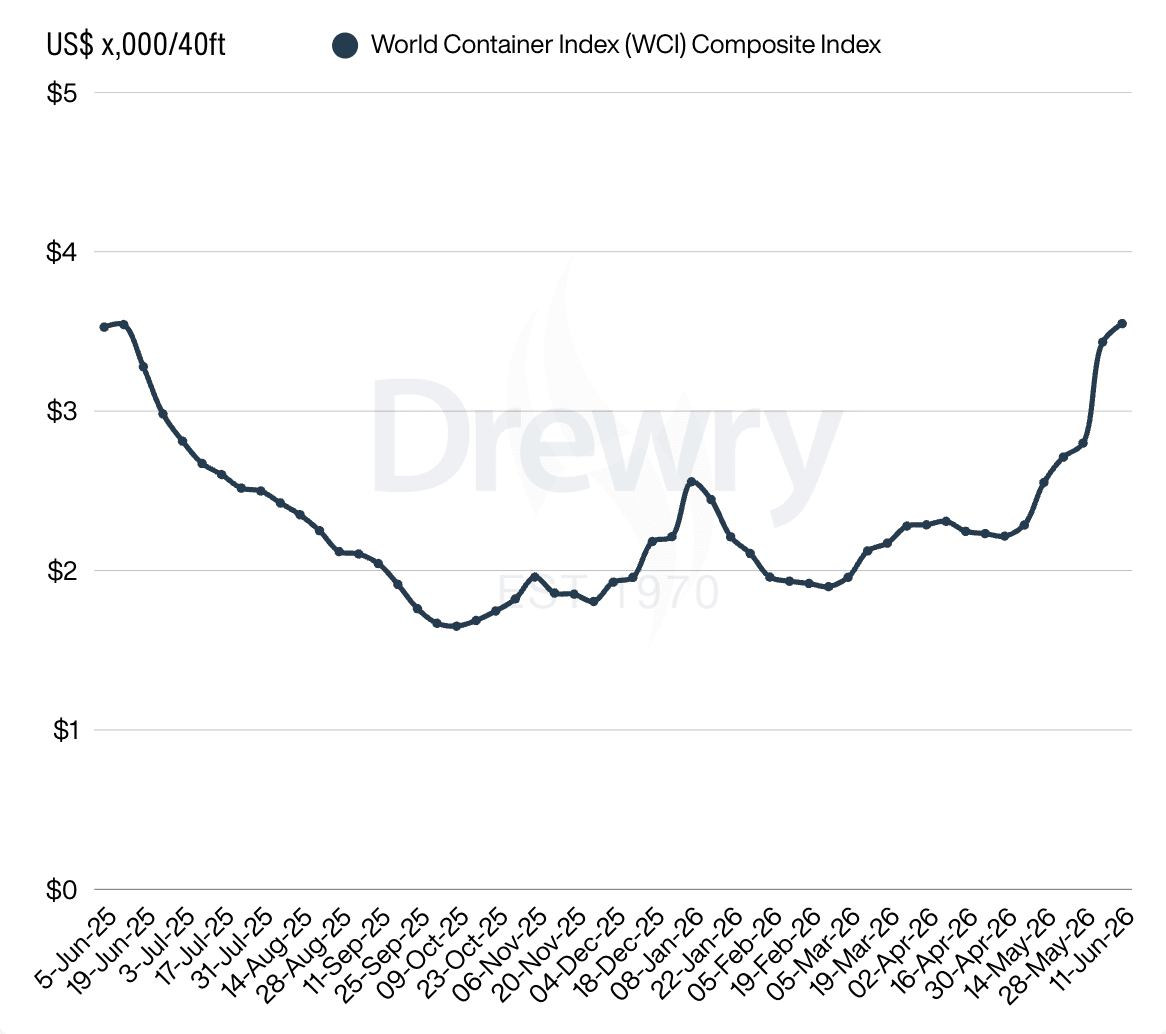
Data Check: Spot Rates Soar on Frontloading Demand That massive wave of frontloading just sent the ocean freight market parabolic. The Drewry World Container Index surged an astonishing 23% last week and climbed another 3% this week, hitting $3,549 per 40ft container. The Driver: Importers front-loading cargo, retailers restocking for Amazon Prime Day, and cargo demand linked to the 2026 FIFA World Cup are eating up capacity. Add in the ongoing Middle East supply chain disruptions, and Transpacific rates to New York just neared the $6,000 mark. Source: Drewry WCI
Walmart Adds Subway to Final-Mile Walmart continues to weaponize its massive physical footprint. The retailer announced a new partnership allowing customers to add a made-to-order Subway sandwich directly to their Walmart delivery order. By stacking grocery, general merchandise, and now hot food into a single localized delivery, Walmart is maximizing the unit economics of every driver dispatch to defend against Amazon's speed. Turns out the real last-mile weapon was sandwiches all along. Source: WSJ
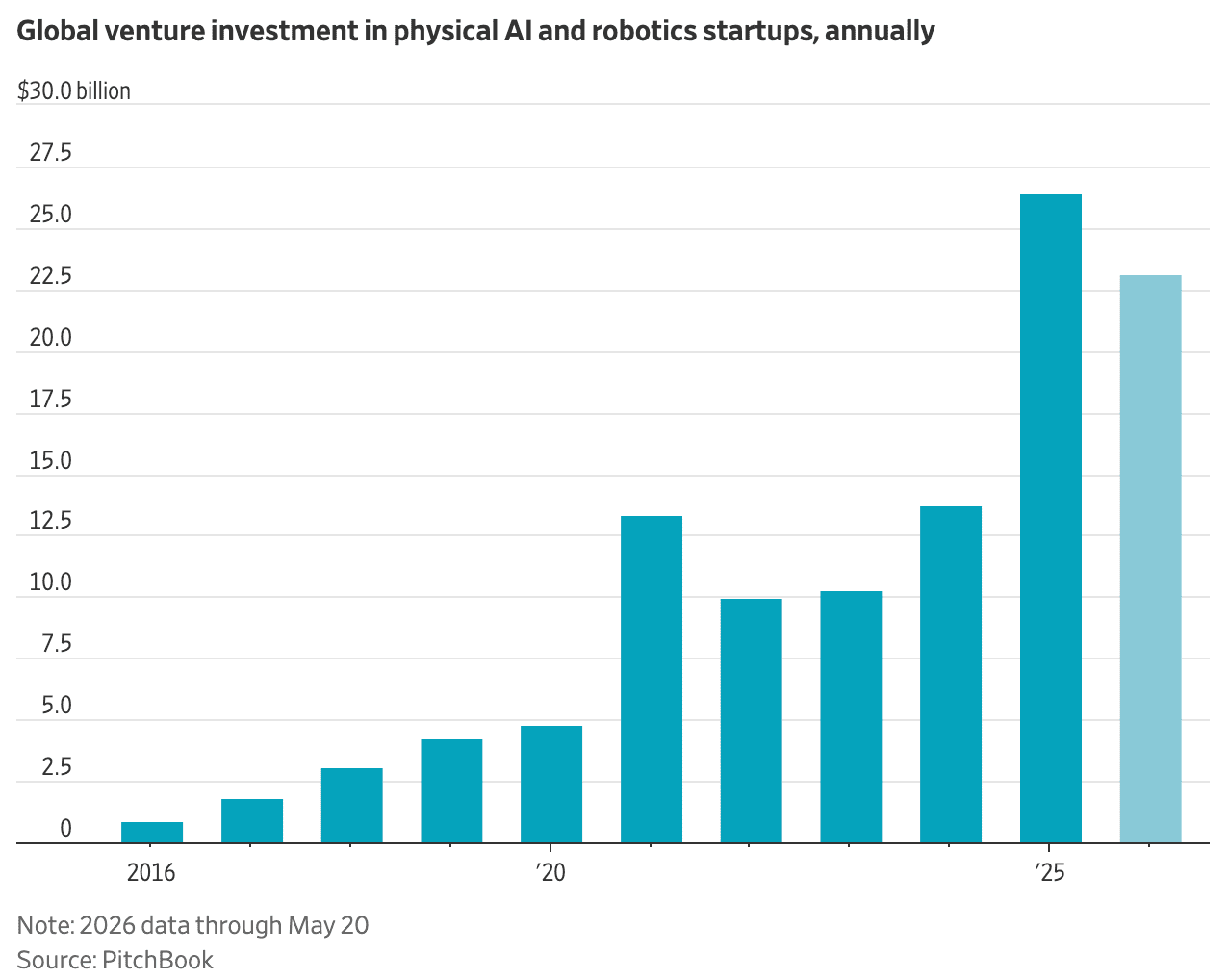
VCs Pivot to Hardware Over AI Fears Venture capital is rethinking its software obsession. The WSJ highlights a massive trend of VCs turning their attention and capital toward hardware bets. The underlying fear? AI is advancing so rapidly that traditional software companies face an existential threat of being rendered obsolete by code-writing agents. Source: WSJ