UPS Pivots to Automation, Alt Carriers Surge, & The Third Person H1 Index: The Latest Logistics News
We are officially in the final stretch of summer, but the logistics sector is sprinting toward peak season with a wealth of new data. This week was dominated by earnings reports, and the underlying theme across the board is automation and network efficiency.
UPS is doubling down on its tech infrastructure, reporting that over two-thirds of its U.S. volume is now handled by automated facilities. Meanwhile, two massive data reports dropped this week that paint a vivid picture of where the industry is heading: Tusk Logistics released their 2026 Alternative Carrier Benchmark Report, and we officially published our very first Third Person Fulfillment Marketplace Index for H1 2026.
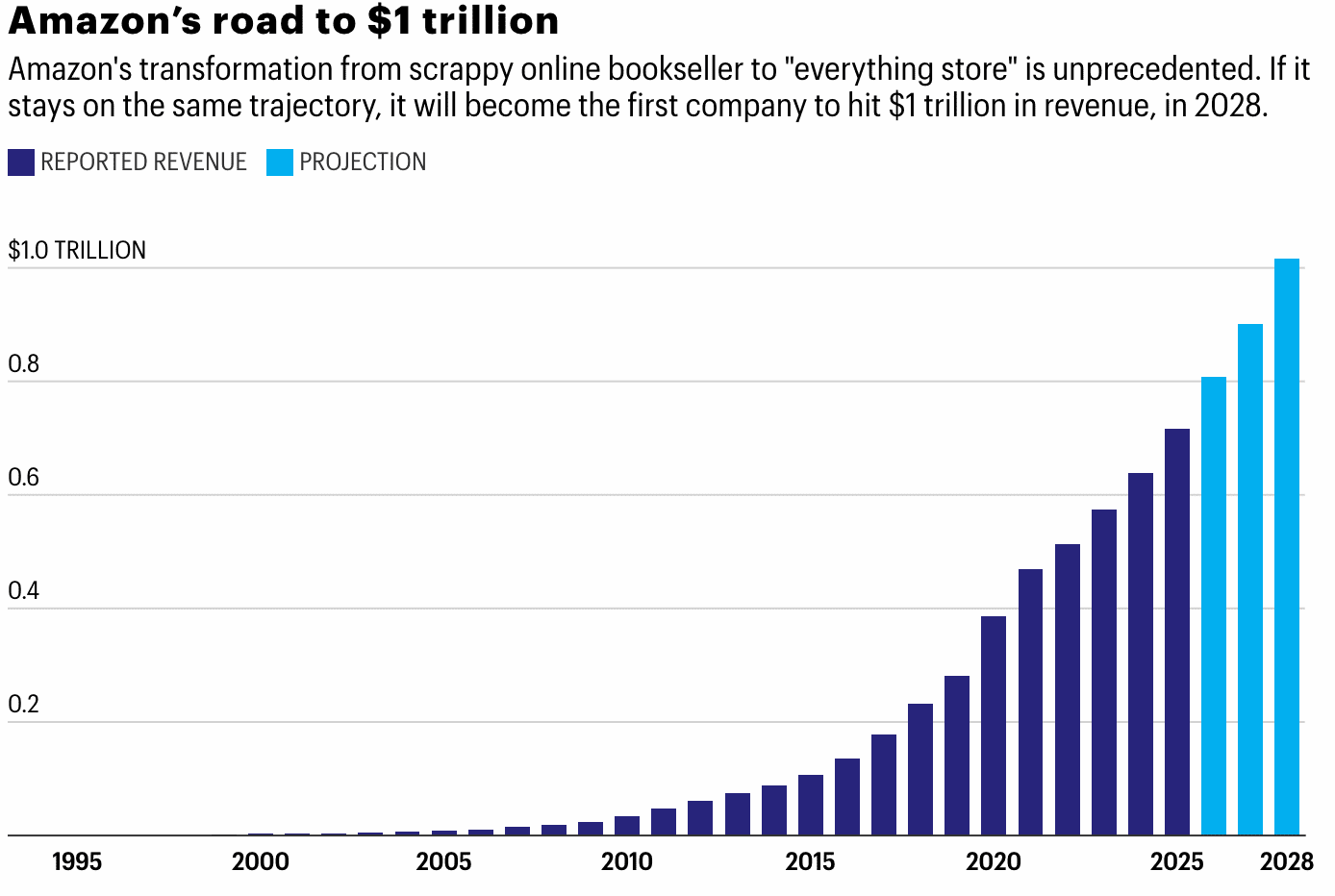
Jeff Bezos and Amazon’s Road to $1 Trillion A massive feature in Fortune this week profiled Jeff Bezos as Amazon officially tops the Global 500, becoming the largest company in the world by revenue. The retrospective piece covers the company's journey from a Bellevue garage to an "everything company," but the real focus is on the future. Amazon is projecting to be the first company to hit $1 trillion in revenue by 2028. To get there, they are betting heavily on AI, dedicating roughly $200 billion to capital expenditures in 2026 alone, specifically targeting custom silicon chips (Trainium and Graviton) to support their AWS dominance. Source: Fortune
UPS Pivots to Automation and Premium SMBs to Fend Off Amazon
UPS reported a rise in revenue and lifted its full-year outlook this week, but the real story is how they are doing it. The carrier announced a massive operational milestone: over two-thirds of its U.S. volume is now handled by automated facilities, showcasing a relentless push to reduce labor costs and increase hub processing speeds ahead of the holiday peak.
But automation is just the engine - the broader strategy is a pivot toward premium volume. As Amazon Shipping aggressively courts legacy carrier customers with low, standardized pricing, UPS CEO Carol Tomé publicly outlined her company's defensive moat. UPS is doubling down on specialized handling (like healthcare and hazardous materials), B2B volume, and deep integration with SMBs - complexities that Amazon's highly standardized parcel network cannot currently match. To support this premium focus, UPS is also heavily investing in network-wide RFID technology, embedding it into shipping labels and delivery trucks to dramatically improve tracking and efficiency.
Sources: WSJ / Supply Chain Dive
The Shift is Here: Tusk's 2026 Alternative Carrier Benchmark Report
Tusk Logistics gave us an early look at their 2026 benchmark report, and the data is staggering. Alternative carriers have tripled their market share in the last four years, now capturing 8.5% of the total carrier addressable market. Alt growth is accelerating at a 33% annual clip, compared to a -2.4% contraction for the legacy national parcel carriers. Shippers are no longer deciding "if" alternatives are right for their operation; instead, 68% plan to increase alternative carrier volume, shifting their focus toward implementation, tracking, and visibility.
Source: Tusk Logistics 2026 Report
Amazon Reports Q2 2026 Earnings
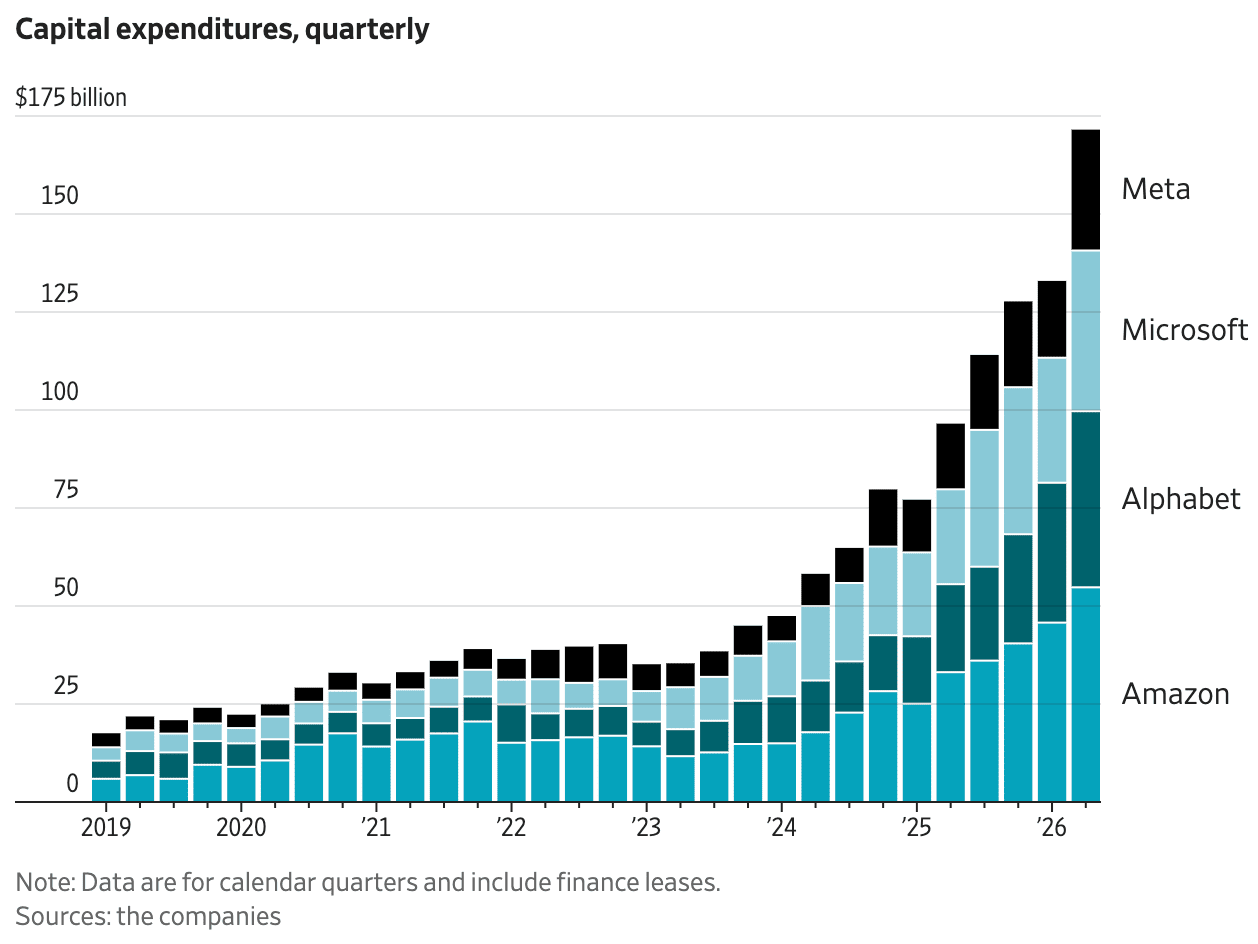
Amazon released its Q2 earnings this week, demonstrating continued dominance in both cloud computing and its massive fulfillment operations. The e-commerce giant's relentless focus on regionalizing its fulfillment network continues to pay off, driving down cost-to-serve while increasing delivery speeds across major metro areas. Amazon said it spent $54.2 billion on purchases of equipment and property in the second quarter.
Source: WSJ
DoorDash Takes to the Sky with Proprietary Drones
The delivery wars are moving upward. DoorDash announced it is developing and deploying its own proprietary delivery drones. This is a significant shift from partnering with third-party drone operators, indicating that DoorDash views aerial delivery as a core, long-term competency required to defend its dominance in hyper-local, rapid delivery against competitors like Uber Eats and Zipline.
Source: WSJ
The Third Person Fulfillment Marketplace Index (H1 2026)
Ever wonder how many 3PLs the average brand talks to before choosing one? Or how many are switching from an incumbent vs. outsourcing for the first time? We pulled the data, and I'm incredibly proud of what our team built. This is data that simply hasn't existed before.
A few things inside the H1 2026 Index:
The average brand contacts ~3.7 3PLs before deciding - and 10,000+ order brands run an even wider process.
64% of those 10,000+ order brands are switching from an existing 3PL. Small brands? 80% have never outsourced at all.
84% of 3PLs on the platform are owner-operated - not PE or VC backed.
TikTok Shop shows up in 15% of enterprise-brand outreach - the fastest-emerging channel in brand language.
Third Person exists to help brands and 3PLs discover each other, matched on data and merit. View the full report here.