We are officially closing out October and staring straight down the barrel of peak season. The news cycle this week was dominated by Q3 mega-earnings, with Amazon, FedEx, and UPS all showing their cards ahead of the holiday rush.
Meanwhile, a massive strike threat is looming over the ports of LA and Long Beach right as they hit record import volumes, and holiday hiring strategies are diverging wildly across the industry.
If you're keeping track of the calendar:
25 Days until Black Friday
54 Days until Christmas
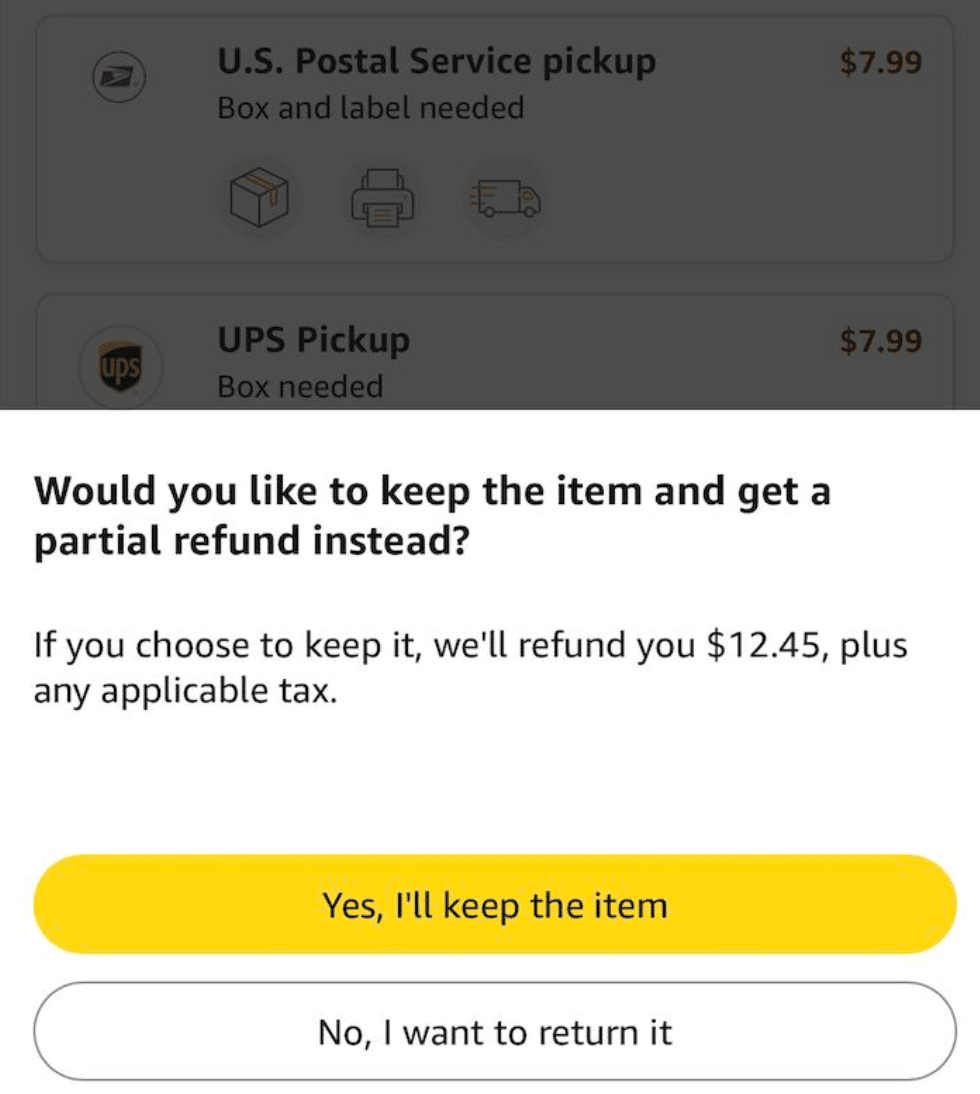
Returnless Refunds Become an Explicit Choice I caught a fascinating update in the Amazon returns flow this week: instead of a free return, they offered me a partial refund to just keep the item. When you do the math, a partial refund can absolutely be cheaper than paying for return shipping, processing, restocking, and potential trashing. We’ve seen retailers quietly do “returnless refunds” for a while, but seeing it surfaced so directly in the consumer flow as an explicit choice feels like a major shift. Reverse logistics is becoming a real line item worth optimizing. Join the conversation here: LinkedIn
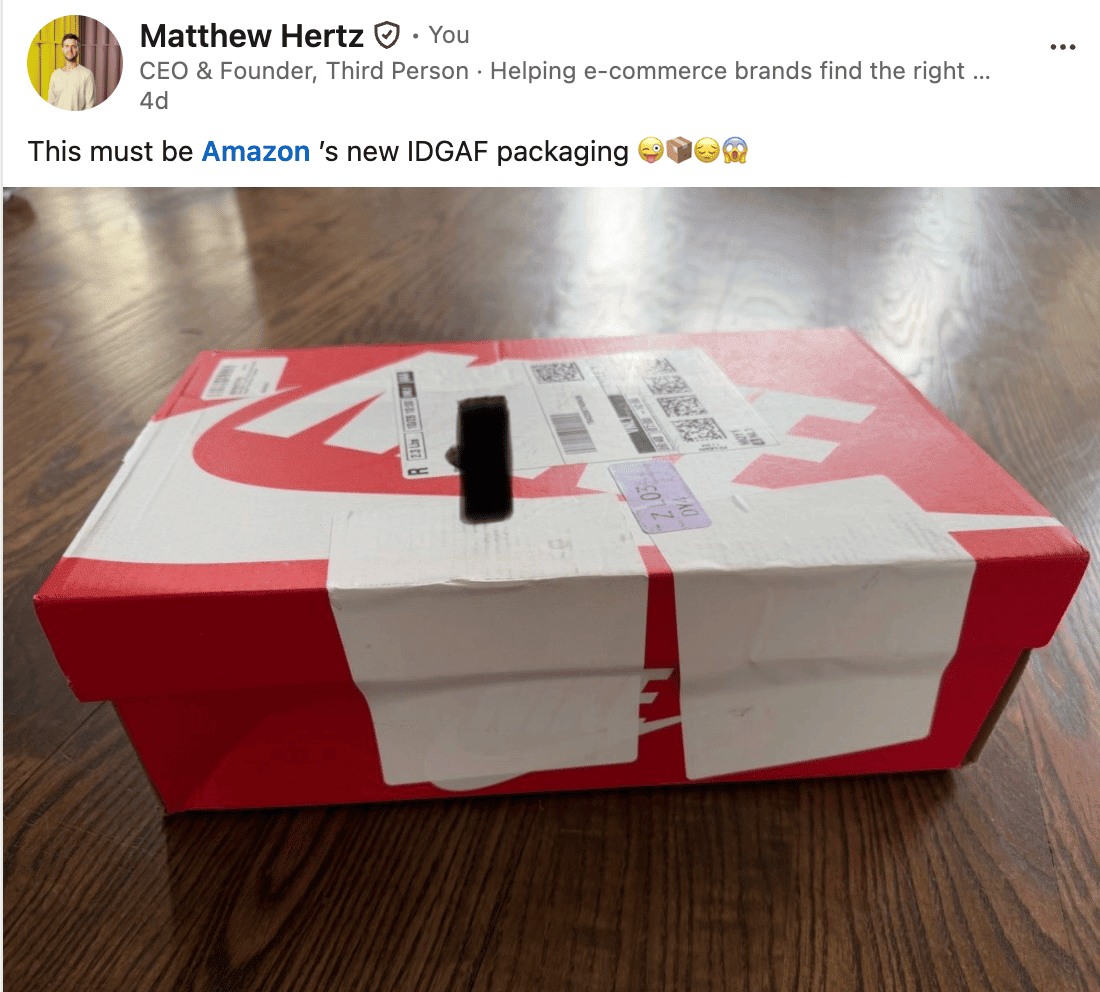
Amazon's "IDGAF" Packaging Speaking of Amazon, I had a good laugh over a recent delivery. A pair of Nike shoes arrived with the shipping label slapped directly onto the shoebox - no overbox, no polybag. This is the reality of Amazon's push for "Ships in Product Packaging." It’s highly efficient and sustainable, but it definitely changes the unboxing experience!
The Q3 Mega-Earnings Wrap-Up: Amazon, FedEx & UPS The biggest players in logistics all delivered their Q3 earnings this week, and the outlook is overwhelmingly positive heading into peak season. Amazon reported massive Q3 numbers, blowing past Wall Street expectations as its regionalized fulfillment network continues to drive down cost-to-serve. Meanwhile, the legacy parcel duopoly is showing serious resilience. FedEx lifted its outlook as increased shipping rates and volumes drove strong revenue growth. UPS followed suit, raising its full-year outlook as revenue climbed, indicating that their recent strategic pivots toward premium volume and SMBs are paying off. Sources: WSJ (Amazon) / WSJ (FedEx) / WSJ (UPS)
Strike Threat Looms Over Ports of LA and Long Beach Just as the Southern California ports hit a record 1.05 million containers in September (a 24% YoY increase), a potential strike threatens to bring operations to a grinding halt. A union local representing 250 port watchmen voted to authorize a walkout that could begin as early as November 4. While they make up just 2% of the workforce, their duties cover facilities handling more than half of the complex's cargo. If other ILWU workers refuse to cross the picket line, it would shut down six of the 13 container terminals right at the climax of the holiday import rush. Source: Journal of Commerce
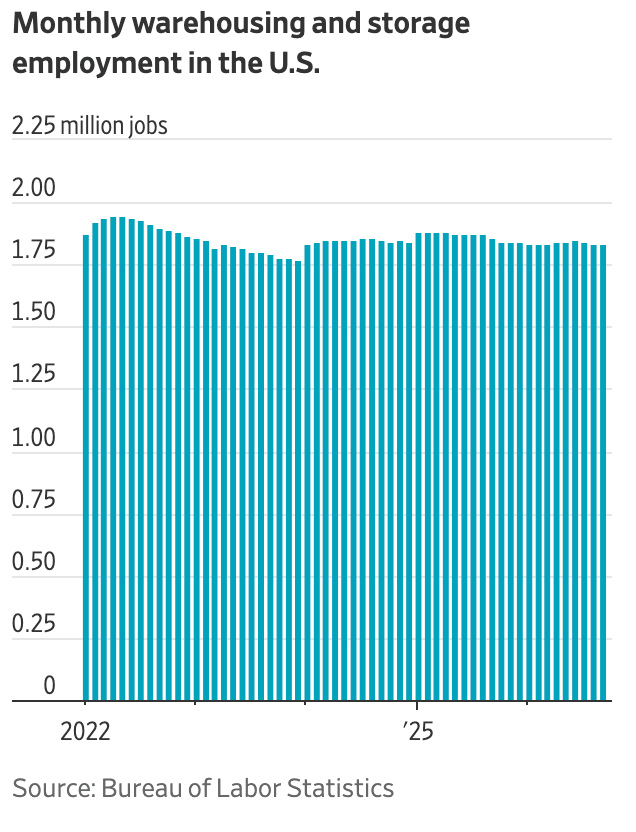
Bar chart of monthly US warehousing and storage employment from 2022 to 2026, holding steady near 1.8 million jobs
The 2026 Holiday Hiring Divergence As peak season kicks off, logistics giants are taking drastically different approaches to seasonal labor. Amazon is leading the pack, planning to hire a staggering 300,000 seasonal workers (up from 250,000 last year). DHL Group and GXO Logistics are also ramping up, each planning to hire 25% more seasonal workers. On the flip side, UPS is keeping hiring flat at roughly 100,000 workers, while the USPS is actually reducing its seasonal headcount to 10,000 (down from 14,000). The divergence highlights a massive shift in automated capacity and forecasted volume capture. Source: WSJ
UPS Aims to Double RFID-Labeled Volume In a bid to increase network visibility and reduce mis-sorts, UPS announced plans to double its RFID-labeled volume coming directly from customer locations. By embedding radio frequency identification tags right into the shipping labels, the carrier can track packages seamlessly through its automated hubs and onto delivery trucks without relying entirely on manual barcode scans. Source: Supply Chain Dive
Walmart Plans $400M Texas Distribution Center Walmart is dropping $400 million on a massive new distribution center in Texas. The retailer continues to aggressively build out its supply chain infrastructure to support both its booming e-commerce business and its sprawling brick-and-mortar footprint, ensuring inventory sits closer to the end consumer. Source: Supply Chain Dive